
YouTube SEO Guide 2026: Complete Optimization Strategy
YouTube SEO Guide 2026 is a complete and practical resource for creators and businesses who want to rank YouTube videos faster. This guide explains proven YouTube SEO strategies, keyword research methods, and optimization techniques to increase visibility, watch time, and subscribers.
This complete guide will walk you through the strategies and techniques you need to improve your rankings. Everything here follows the most recent YouTube algorithm updates and best practices for 2025. Whether you are a beginner or an experienced creator, these YouTube SEO tips can help you increase visibility, engagement, and subscribers.
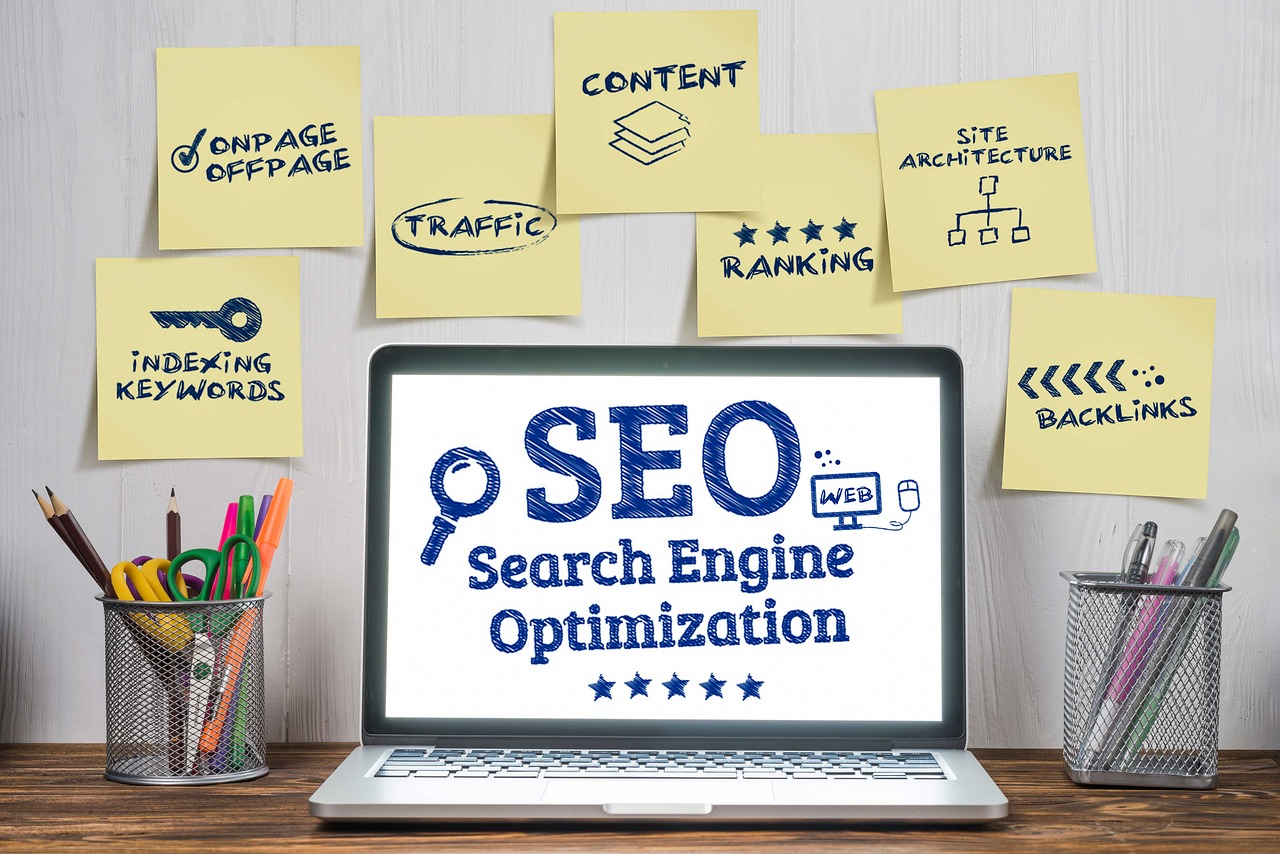
1. Understanding YouTube SEO and How It Works
This YouTube SEO Guide 2026 focuses on long-term ranking strategies instead of short-term tricks. Before learning the strategies, you must understand YouTube SEO basics. YouTube is a search engine, and it works similarly to Google. The platform uses several metrics to determine which videos deserve higher rankings and more impressions.
1.1 YouTube Video Ranking Strategies
YouTube SEO is the process of optimizing your videos, channel, and content strategy to rank higher on YouTube’s search results and recommended sections. The goal is simple: You want YouTube to understand your content and promote it to interested viewers.
1.2 Why Is YouTube SEO Important?
YouTube SEO is important for several reasons:
-
It improves organic visibility.
-
It helps YouTube recommend your videos to new users.
-
It increases your watch time and engagement.
-
It helps you outperform competitors.
-
It builds long-term authority on your channel.
The right SEO strategy can turn even small channels into viral successes.
1.3 How the YouTube Algorithm Works
The YouTube algorithm uses several ranking factors. The most important ones are:
-
Watch time – total minutes people watch your video.
-
Retention rate – how long viewers stay before leaving.
-
Engagement – likes, comments, shares, and saves.
-
Click-through rate (CTR) – percentage of people who click your thumbnail.
-
Relevancy – how well your title, description, and tags match a search.
-
User behavior – how viewers interact with your past videos.
Understanding these signals helps you create content that YouTube promotes.
2. Keyword Research Strategies for YouTube Videos
Keyword research is the foundation of YouTube SEO. If you optimize for the wrong keywords, your videos will not reach the right viewers.
2.1 Why Keyword Research Matters
Proper keyword research ensures that:
-
You target terms people actually search for.
-
You avoid keywords with extremely high competition.
-
You rank faster and gain more views.
2.2 Best Tools for YouTube Keyword Research
Here are the most effective YouTube keyword tools:
-
Tube Buddy
-
vidIQ
-
YouTube Search Bar (Autocomplete)
-
Google Trends
-
KeywordTool.io
-
Ahrefs YouTube Keyword Tool
2.3 Optimizing YouTube Titles and Descriptions
Follow these steps:
Step 1: Use YouTube Autocomplete
Type a keyword into YouTube search and look at the suggestions. These suggestions represent real search queries.
Step 2: Spy on Competitor Videos
Analyze titles, tags, and descriptions of top-ranking videos in your niche.
Step 3: Use Search Volume Tools
VidIQ and Tube Buddy show:
-
Search volume
-
Competition
-
Overall ranking difficulty
Step 4: Select Long-Tail Keywords
Long-tail keywords have lower competition and attract targeted viewers. Examples include:
-
“How to rank YouTube videos fast”
-
“YouTube SEO for beginners 2025”
-
“Best YouTube description tips”
2.4 Choose the Primary and Secondary Keywords
Your primary keyword should be:
-
Highly relevant
-
Medium or high search volume
-
Low or medium competition
Use secondary keywords to support the main term.
3. Optimizing Your YouTube Title
The title is one of the most powerful signals for YouTube SEO. It determines a video’s CTR and keyword relevance.
3.1 YouTube SEO Title Rules
A strong SEO title should:
-
Include your focus keyword
-
Be clear and simple
-
Use emotional or action-based words
-
Encourage clicks
-
Stay between 50–60 characters
3.2 Examples of High-CTR YouTube SEO Titles
-
How to Rank YouTube Videos Fast in 2025
-
YouTube SEO Tips No One Told You About
-
Boost Your YouTube Views with These Tricks
4. Writing a Perfect YouTube Description
Your video description helps YouTube understand what your content is about. It also increases search visibility.
4.1 Description Structure for Maximum SEO
Use this structure:
-
First 150 characters – include your keyword
-
Short summary – explain your video
-
Detailed information – add supporting keywords
-
Timestamps – improve user experience
-
Links and CTAs – add social links or freebies
4.2 Description Optimization Tips
-
Use the focus keyword in the first line
-
Add 3–5 semantically related keywords
-
Write naturally, avoid keyword stuffing
-
Add hashtags at the end
5. YouTube Tags Optimization
Tags help YouTube identify your niche and relevance. Even though they are less important in 2025, they still matter for SEO.
5.1 Types of Tags to Use
Use:
-
Exact match tags (your main keyword)
-
Broad match tags (variations)
-
Long-tail tags
-
Competitor tags
5.2 How Many Tags to Add
Add 10–15 tags. Too many tags can confuse the algorithm.
6. Thumbnail Optimization for High CTR
Your thumbnail is your video’s first impression. A strong thumbnail boosts your click-through rate.
6.1 Thumbnail Best Practices
-
Use bold text
-
Use 2–3 colors
-
Include faces with expressions
-
Increase contrast
-
Use an emotional trigger
-
Keep text under four words
A thumbnail with high CTR sends a positive signal to the algorithm.
7. Improving YouTube Audience Retention
Audience retention is one of the strongest ranking factors. If people stay longer, YouTube promotes your video more.
7.1 How to Improve Retention
-
Start with a strong hook
-
Remove slow sections
-
Use jump cuts
-
Add B-roll footage
-
Use storytelling
-
Add visuals and graphics
7.2 Create an Intriguing Opening
The first 15 seconds determine if viewers stay or leave.
8. Boost Engagement for Better SEO
Engagement tells YouTube that viewers enjoy your content.
8.1 Types of Engagement
-
Likes
-
Comments
-
Shares
-
Saves
-
Clicks on cards
-
Clicks on end screens
8.2 Strategies to Increase Engagement
-
Ask questions
-
Ask viewers to comment their opinion
-
Add polls
-
Give incentives to like and subscribe
9. Use Playlists for Higher Watch Time
Playlists help organize your videos and increase session time.
9.1 Playlist SEO Tips
-
Use keyword-rich playlist titles
-
Add descriptions
-
Order videos strategically
-
Create niche-specific playlists
Playlists help viewers watch more videos in one session.
10. YouTube Shorts SEO
YouTube Shorts can boost channel visibility fast.
10.1 Shorts Optimization
-
Add keywords to the description
-
Use viral audio
-
Keep videos under 30 seconds
-
Add strong hooks
10.2 Why Shorts Help Long Videos
Shorts attract new viewers who may subscribe and later watch long-form content.
11. YouTube Analytics and SEO Tracking
YouTube Analytics reveals what works and what doesn’t.
11.1 Metrics to Track
-
CTR
-
Retention
-
Watch time
-
Traffic sources
-
Subscriber growth
-
Impressions vs. clicks
11.2 How to Use Analytics for SEO
-
Improve videos with low CTR
-
Fix videos with low retention
-
Optimize metadata on underperforming videos
-
Replicate high-performing content
12. YouTube Channel Optimization
Your channel also needs SEO.
12.1 Channel SEO Tips
-
Add keywords in your channel description
-
Use SEO titles for sections
-
Update your About page
-
Design a professional banner
-
Organize videos into playlists
12.2 Channel Authority
The more videos you upload in one niche, the stronger your authority.
13. YouTube SEO Mistakes to Avoid
Many creators make mistakes that hurt their rankings.
Common Mistakes
-
Using misleading titles
-
Poor thumbnails
-
Keyword stuffing
-
Not analyzing competition
-
Inconsistent uploads
-
Ignoring Analytics
Avoid these mistakes to grow faster.
14. Future Trends in YouTube SEO 2025
YouTube SEO continues to evolve. New trends include:
-
AI-generated subtitles
-
Hyper-personalized recommendations
-
Short-form and long-form combination strategy
-
Higher importance of viewer behavior
-
Voice-search optimization
Staying updated with these trends keeps your channel competitive.
CONCLUSION
YouTube SEO guide 2026 is not just about adding keywords. It is about creating content that your audience enjoys and that YouTube’s algorithm understands. By following the strategies in this guide—keyword research, optimized titles, strong thumbnails, better retention, and engagement—you can dramatically improve your rankings.
Apply these techniques consistently, and you will see real results in your views, subscribers, and overall channel growth.
If you want, I can also create:
- A complete YouTube description template
- Tags list for your niche
- A ready-to-upload script based on your focus keyword
- Social captions and thumbnails ideas
Frequently Asked Questions (FAQs) About YouTube SEO
1. What is YouTube SEO and why is it important?
YouTube SEO is the process of optimizing your videos and channel to rank higher in YouTube search results. It is important because it helps more viewers discover your content, increases watch time, and improves your chances of getting recommended by YouTube.
2. How long does it take to rank a YouTube video?
Ranking time depends on your niche, competition, and optimization quality. Some videos rank within a few hours, while others may take several weeks. Consistent uploads and strong engagement help videos rank faster.
3. What is the most important YouTube ranking factor?
The most important factor is audience retention. If people watch your video for a long time, YouTube sees it as valuable and pushes it to more viewers. Other key factors include CTR, engagement, and relevancy.
4. How many tags should I use on YouTube videos?
Use 10–15 highly relevant tags. Include your main keyword, variations, long-tail keywords, and related topics. Avoid adding unrelated tags because they confuse the algorithm.
5. Do thumbnails affect YouTube SEO?
Answer : Yes. Thumbnails directly affect your click-through rate (CTR), which is a major ranking signal. A strong thumbnail increases clicks, impressions, and overall video performance.
6. Should I use long-tail or short keywords?
Answer : Use both, but long-tail keywords are easier to rank for. They also attract more targeted viewers who are likely to watch longer and engage more.
7. How important are YouTube descriptions?
Answer : Descriptions help YouTube understand your video topic. A well-optimized description with relevant keywords can improve rankings, search visibility, and suggested video placement.
8. Can YouTube Shorts help grow my channel?
Answer : Yes. Shorts can bring fast exposure and attract new subscribers. Once people subscribe, they may watch your long-form videos too, increasing your watch time and authority.